

1. Реєстрація в 1win – крок за кроком Які дані...
Read MoreCataracts are a leading cause of blindness globally, affecting over 8 million people in India.
Cataracts are a leading cause of blindness globally, affecting over 8 million people in India.
A cataract is a clouding of the eye’s natural lens, which lies behind the iris and the pupil. It is the most common cause of vision loss in people over age 40 and is also the principal cause of blindness in the world.

Years Of Experience
0
+
Cataract Surgeries
0
K+
Eyes Healed
0
K+
What Cataract Vision Looks Like
Causes and Symptoms of Cataract
Cataracts can develop for various reasons, including aging, diabetes, excessive exposure to sunlight, smoking, obesity, high blood pressure, previous eye injury or inflammation, prolonged use of corticosteroid medications, and excessive alcohol consumption.
Cataracts can develop for various reasons, including aging, diabetes, excessive exposure to sunlight, smoking, obesity, high blood pressure, previous eye injury or inflammation, prolonged use of corticosteroid medications, and excessive alcohol consumption.
Understanding the Triggers
Cataracts can manifest in a variety of ways, making it important to be aware of the common symptoms.
- Aging: The most common cause, as the proteins in the lens begin to clump together with age.
- Genetics: Family history can increase the risk of developing cataracts.
- Diabetes: Higher blood sugar levels can lead to the formation of cataracts.
- Prolonged exposure to sunlight: UV radiation can accelerate cataract formation.
- Smoking: Increases oxidative stress on the lens, leading to cataract development.
- Previous eye injuries or surgeries: Trauma or surgeries can lead to secondary cataracts.
Cataract Symptom Checker
Cataract Symptom Checker
Research indicates that cataract surgery is one of the most effective and commonly performed surgeries worldwide, with a high success rate in restoring vision.
Research indicates that cataract surgery is one of the most effective and commonly performed surgeries worldwide, with a high success rate in restoring vision.
Studies also show that early detection and treatment can significantly improve the quality of life for individuals affected by cataracts.
Diagnosis of Cataract
The diagnostic process at Mahaveer Eye Hospital includes a series of specialized tests and examinations that provide a comprehensive evaluation of the patient’s visual health and the condition of the eye’s structures. These diagnostic procedures are designed to gather detailed information about the individual’s visual acuity, the clarity of the lens, the overall health of the eye, and any other factors that may be contributing to the development of cataracts.
-
Visual Acuity Test
This test assesses the sharpness and clarity of a person's vision. The individual is asked to read letters or numbers from an eye chart at a distance, first with one eye and then the other.
-
Slit-Lamp Examination
A slit lamp is a specialized microscope that uses a thin, intense beam of light to illuminate and magnify the structures at the front of the eye.
-
Retinal Exam
During this exam, the healthcare provider uses eye drops to dilate the pupils, allowing them to get a better view of the retina at the back of the eye.
-
Applanation Tonometry
This test measures the pressure inside the eye, known as intraocular pressure. Abnormal eye pressure can be a sign of conditions like glaucoma, which can contribute to the development of cataracts.
Advanced Treatment Options Offered at
Mahaveer Eye Hospital
Advanced Treatment Options Offered at
Mahaveer Eye Hospital
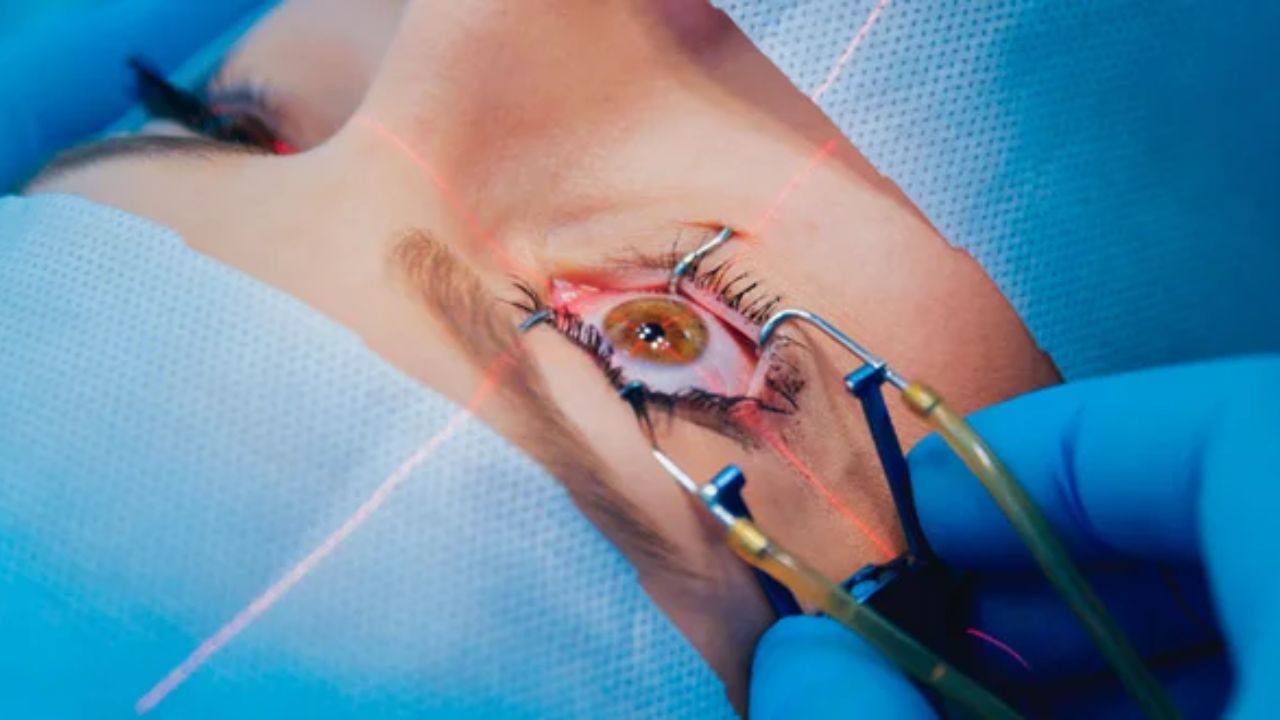
The primary treatment for cataracts is surgery, where the cloudy lens is removed and replaced with an artificial lens. This procedure is highly effective in restoring clear vision and significantly improving the quality of life for patients suffering from cataracts. At Mahaveer Eye Hospital, we utilize advanced surgical techniques and state-of-the-art technology to ensure the best outcomes for our patients.
Micro Incision Cataract Surgery (MICS)
Micro Incision Cataract Surgery (MICS) represents a significant advancement in cataract treatment, allowing for safer and more effective removal of cataracts through a minimal incision.
Click Here
Previous slide
Next slide
Previous slide
Next slide

